One standout device was the IBM Simon, released in 1994. This gadget was a game changer, combining a mobile phone with features like a touch screen, email capabilities, and even a calendar. It was bulky and had a short battery life, but it gave people a glimpse into what was possible. But the real revolution came in the 2000s when companies like Palm and BlackBerry brought out handhelds that offered more robust features, like Internet browsing and apps.
Then in 2007, Apple introduced the iPhone, which completely transformed the landscape. This sleek device was user-friendly, and its App Store opened doors to countless applications, turning the smartphone into a mini-computer in our pockets. Suddenly, everyone wanted a device that could surf the web, play games, take photos, and connect with friends—all in one place.
The introduction of Android OS from Google soon followed, providing an alternative to the iPhone. It allowed more manufacturers to jump into the smartphone race, leading to a massive increase in devices and features. With each new release, smartphones became faster, smarter, and more essential in our daily lives, shaping a whole new era of communication and connectivity.
Key Features That Changed Everything
When we think about the first smartphone, a few standout features played a massive role in changing the game. These innovations not only made our lives easier but also set the stage for the smartphones we rely on today.
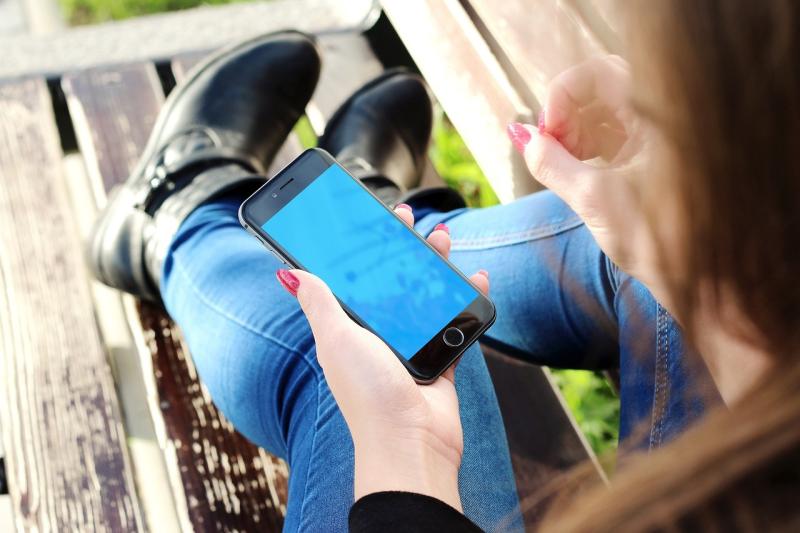
First up, let’s talk about touchscreens. Before the first smartphone, most mobile phones used physical buttons. The move to a touchscreen interface made it super easy to navigate. You could swipe, tap, and pinch to zoom. It felt like magic! This engaging way of interacting changed how we used our devices, making everything more intuitive.
Another biggie was the introduction of apps. Remember when phones could only do basic calls and texts? With the first smartphone, you could download apps to do anything from playing games to managing your schedule. This meant that your phone could really be personalized to fit your lifestyle—whether you were into fitness, news, or social media, there was an app for that!
Let’s not forget about mobile internet access. Having a browser in your pocket opened up a whole new world. You could search for anything, connect with friends, or even shop on the go. This constant connectivity changed our daily routines and how we communicate.
Lastly, consider the sleek designs that combined functionality and style. The first smartphone started a trend where tech didn’t just have to be efficient; it could also look fantastic. This combination of form and function continues to influence how smartphones are designed today.
How Smartphones Transformed Daily Life
Smartphones have totally changed how we live our daily lives. Gone are the days of carrying a separate device for everything. Now, we can chat with friends, take pictures, and even shop, all from one handy gadget. This shift has made staying connected simpler and much more convenient.
Think about it—how often do you pull out your phone to check the weather, send a quick text, or find the nearest coffee shop? Smartphones have made information accessible at our fingertips. You can get what you need in just a few taps, whether it’s directions, recipes, or the latest news. That instantaneous access is something we now rely on day in and day out.
Not only have smartphones changed how we communicate, but they’ve also transformed how we work. With apps that let you handle emails, video calls, and file sharing on the go, it’s easier than ever to juggle both personal and professional tasks. This flexibility has reshaped how and where people choose to work, making remote options more common.
Entertainment has also taken a big leap forward. Music, movies, and games are now right in our pockets. You can easily binge your favorite shows during your commute or enjoy a podcast while cooking dinner. This has created a new landscape for how we unwind and enjoy our free time, fitting entertainment into even the busiest schedules.
Looking Ahead: The Future of Smartphones
As we think about the future of smartphones, it's hard not to feel a little excited. The technology keeps evolving at lightning speed, and there are some pretty cool trends on the horizon. For starters, artificial intelligence is becoming more common in our devices. Imagine your phone being able to anticipate your needs, from recommending the best time to make calls to organizing your day. It's like having a personal assistant right in your pocket!
Then there’s the rise of foldable phones. They’ve already made a splash, but we can expect them to become even more mainstream. This means a bigger screen when you need it while still being compact enough to fit in your pocket. It's all about the blend of functionality and portability, and these gadgets are stepping it up.
Another exciting trend is the integration of augmented reality (AR) and virtual reality (VR) features into smartphones. With just your phone, you might soon be able to experience immersive gaming or shop in a virtual store. Companies are already working on great AR apps, and the potential for everyday use is huge. Think of how much fun and convenience this could bring!
Let’s not forget about sustainability. Many brands are starting to focus on eco-friendly materials and practices. As consumers, we’re looking for devices that are not only high tech but also environmentally responsible. The future could be a time when we don’t have to choose between the latest tech and caring for our planet.
All in all, the outlook for smartphones is bright. With new features and innovations continually emerging, our devices are set to become more integrated into everyday life. We're in for an exciting ride, and it’ll be amazing to see where this journey takes us next!